





Class 3 Is Here at Participating Pedego Locations: What Riders Should Know
For some riders, a little more pedal-assisted speed can make a longer commute or open-road route feel more practical. But Class 3 is not a one-size-fits-all setting—or a one-rule-fits-all category.
The right e-bike class depends on the bike, the rider, the route, and local law. That is why Pedego offers Class 3 upgrades only at participating locations, for eligible models and configurations, and only where permitted.
The three common e-bike classes
Although state definitions can differ, the three-class framework commonly works like this:
-
Class 1: Pedal assist up to 20 mph. The motor assists only while the rider pedals.
-
Class 2: A throttle can propel the bike up to 20 mph. Pedal assist may also be available.
-
Class 3: Pedal assist up to 28 mph. The throttle does not operate to Class 3 speed.
Those definitions are a starting point, not a substitute for local law. A state may add helmet or age requirements. A city, park, trail manager, or landowner may set additional access rules. An e-bike that is allowed on a public road may not be allowed on a particular trail or path.
“Class 3 ready” is not the same as “Class 3 enabled”
When an eligible Pedego model is described as Class 3 ready, it means the platform may support an approved Class 3 configuration. It does not mean every bike has already been upgraded or that the upgrade is available everywhere.
An authorized participating Pedego location must confirm the model and configuration, determine whether the upgrade is offered, and consider the rules in that market. Riders should not attempt to change class settings through unauthorized parts, software, or service. Doing so can create safety, legal, warranty, and access issues.
Who may benefit from Class 3?
Class 3 can be useful for riders whose normal routes include longer road miles, open commuter corridors, or trips where higher pedal-assisted speed helps the bike fit more naturally into the flow of travel. It may also help reduce the time required for a longer ride.
That does not make Class 3 automatically better. Many riders prefer the calmer pace, broader access, or familiar feel of Class 1 or Class 2. A rider who mainly uses shared paths, narrow trails, crowded waterfront routes, or relaxed neighborhood streets may find that 20 mph assistance already matches the experience they want.
The best question is not “Which class is fastest?” It is “Which class is appropriate for my routes, skills, and local rules?”
Higher assisted speed changes the ride
At a higher speed, a rider covers more distance during the same reaction time. Braking distance can increase. Road defects arrive sooner. Drivers, pedestrians, and other riders may misjudge how quickly an e-bike is approaching.
Class 3 riders should give themselves more following distance, look farther ahead, and choose routes with good visibility and enough operating space. Use a properly fitted bicycle helmet, keep both hands ready at the controls, and reduce speed before intersections, driveways, curves, loose surfaces, and crowded areas.
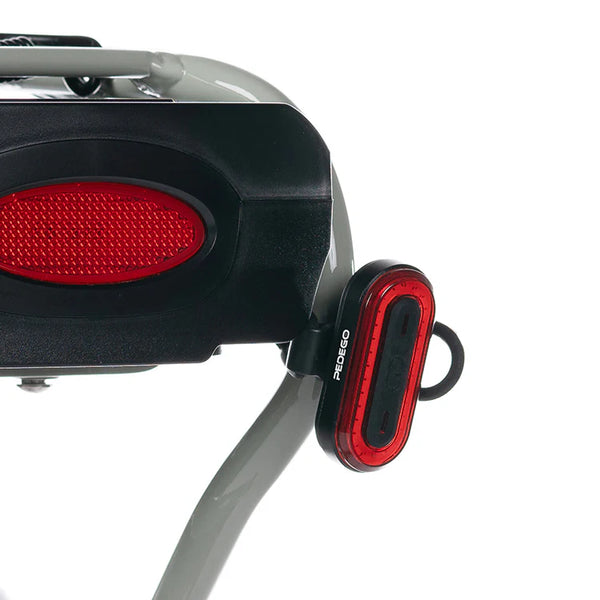
Visibility also matters. Use the bike’s lighting, wear clothing that helps others see you, signal clearly, and avoid lingering in vehicle blind spots. Higher assisted speed is most useful when it is paired with stronger anticipation—not more urgency.
Check the route, not just the map
A navigation app can show where a path goes, but it may not accurately reflect current e-bike rules. Before a new ride, check the authority that manages each road, trail, path, or park. Pay attention to posted signs and temporary restrictions.
If a route crosses several jurisdictions, the rules may change during the ride. When in doubt, slow down, dismount where required, or choose a route with clearer access.
Questions to ask your local dealer
Before considering a Class 3 upgrade, ask:
-
Is my exact model and configuration eligible?
-
Does this location offer the approved upgrade?
-
Is the upgrade permitted in this jurisdiction?
-
What helmet, age, labeling, or equipment rules apply?
-
Where can I legally ride a Class 3 e-bike on my usual routes?
-
How will the bike operate after the upgrade, including the throttle limitation?
-
Is my current fit, maintenance condition, and riding experience appropriate for higher assisted speed?
The dealer can explain the bike and available service. State and local authorities remain the source for legal requirements and route access.
Required rider notice: Class 3 availability varies by model, participating dealer, and jurisdiction. Local laws govern where and how Class 3 e-bikes may be used. Check with your local Pedego dealer and the appropriate state or local authority before upgrading or riding.
Class 3 is not simply a feature to switch on. It is a riding category with responsibilities, limitations, and real benefits for the right rider and route.
Contact your local Pedego dealer to ask about model eligibility and Class 3 availability in your area.
This article provides general educational information and is not legal advice. Verify current laws, regulations, access rules, model eligibility, and upgrade availability before publication or riding.